
Our research interests are in the variability of the coupled atmosphere-ocean system, the dynamics and energy budgets of the oceanic general circulation and mesoscale eddies (the oceanic equivalent of weather systems), global modeling of internal tides and the internal gravity wave continuum, and global modeling of past and present barotropic tides.
We also have an increasing interest in the application of ocean models to deep-time Earth system science problems such as the Chicxulub impact megatsunami and the long-term evolution of the Earth/Moon/Ocean tidal system. Our work is relevant for understanding of processes such as mixing that impact the ocean system, for forecasting of oceanic flows and their impact on the atmosphere, and for US Navy and NASA operational systems.
An important motivation for our work is that the ocean stores and transports a substantial amount of heat and carbon, and is therefore a critical component in the earth’s climate system. Some other societally relevant issues of interest to our group are 1) sea-level rise and the tidal response to sea-level rise, and 2) the potential for short-term forecasting of oceanic flows and the feedback of the ocean upon the atmosphere.
We regularly use both idealized and realistic numerical models, and for some projects we also construct analytical models. We often compare our model results to in-situ observations, satellite observations, or both. Our work is often interdisciplinary, involving collaborations with geophysicists, geodynamicists, glaciologists, geochemists, and geobiologists, as well as other physical oceanographers. We work collaboratively with scientists from many federal agencies including NOAA, NASA, and the US Navy.
Research Interests
Our research interests are in the variability of the coupled atmosphere-ocean system, the dynamics and energy budgets of the oceanic general circulation and mesoscale eddies (the oceanic equivalent of weather systems), global modeling of internal tides and the internal gravity wave continuum, and global modeling of past and present barotropic tides. We also have an increasing interest in the application of ocean models to deep-time Earth system science problems. Our work is relevant for understanding of processes such as mixing that impact the ocean system, for forecasting of oceanic flows and their impact on the atmosphere, and for US Navy and NASA operational systems.
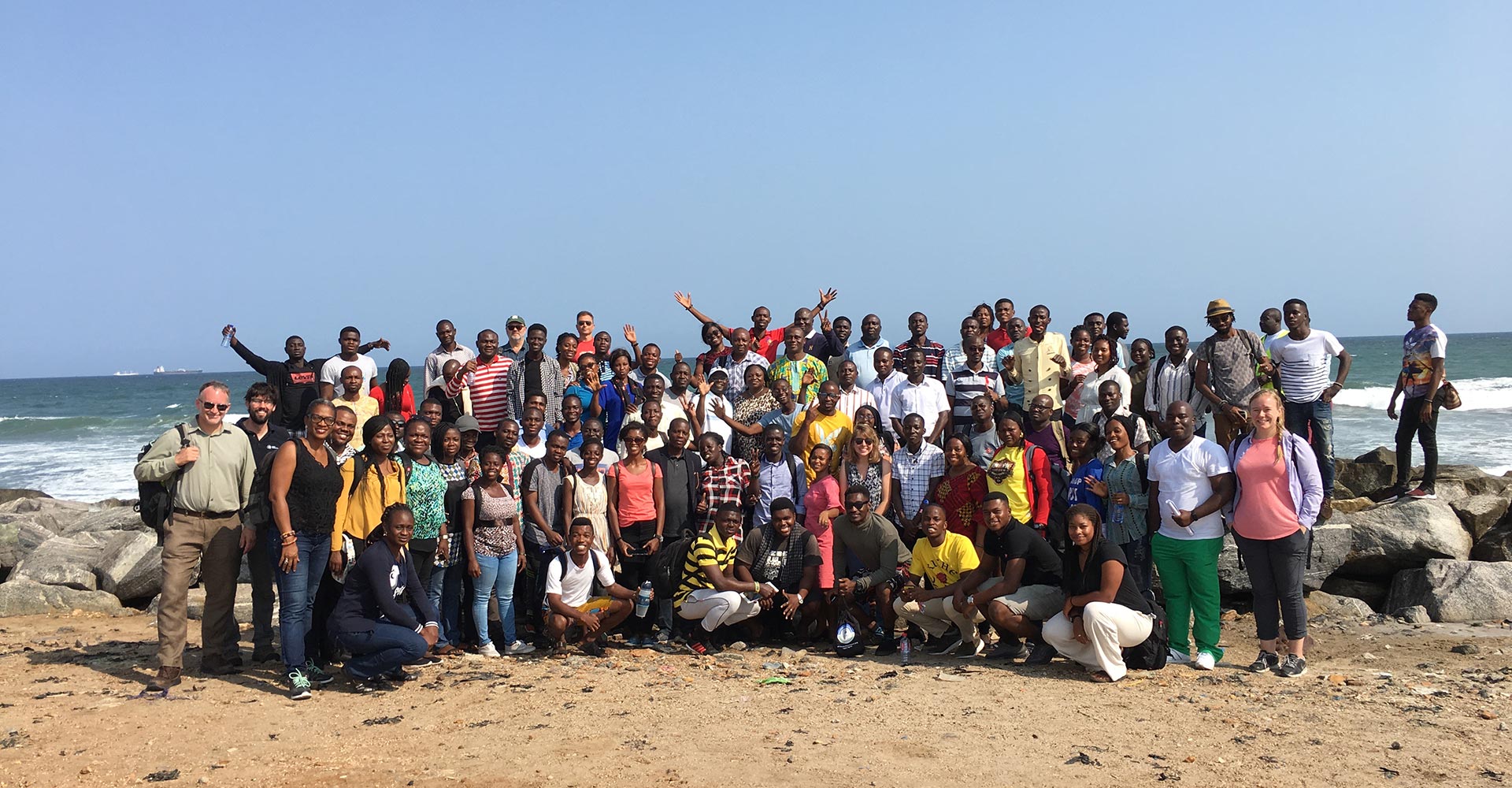
Capacity development
Learn More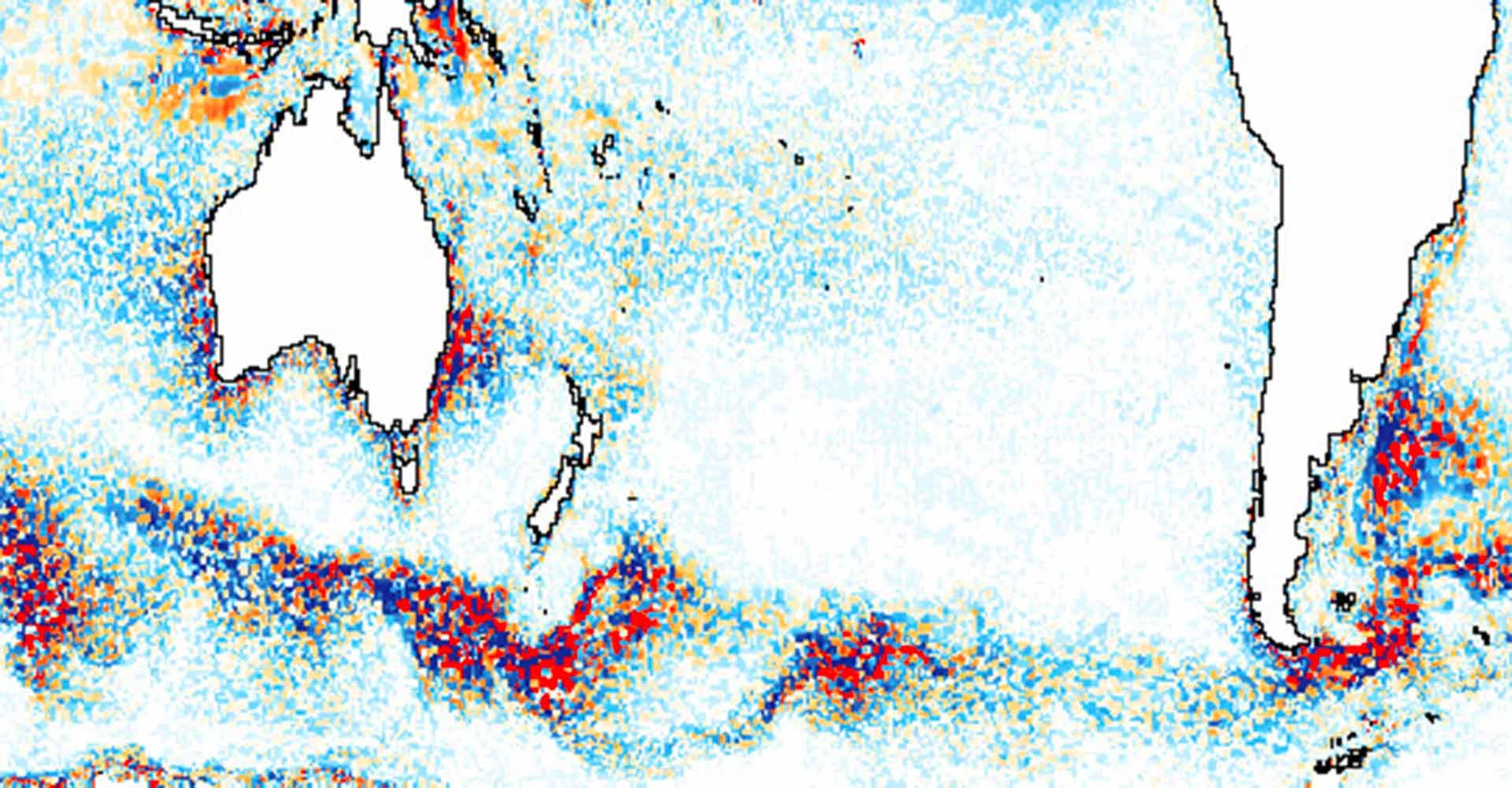
Variability of the coupled atmosphere-ocean system
Learn More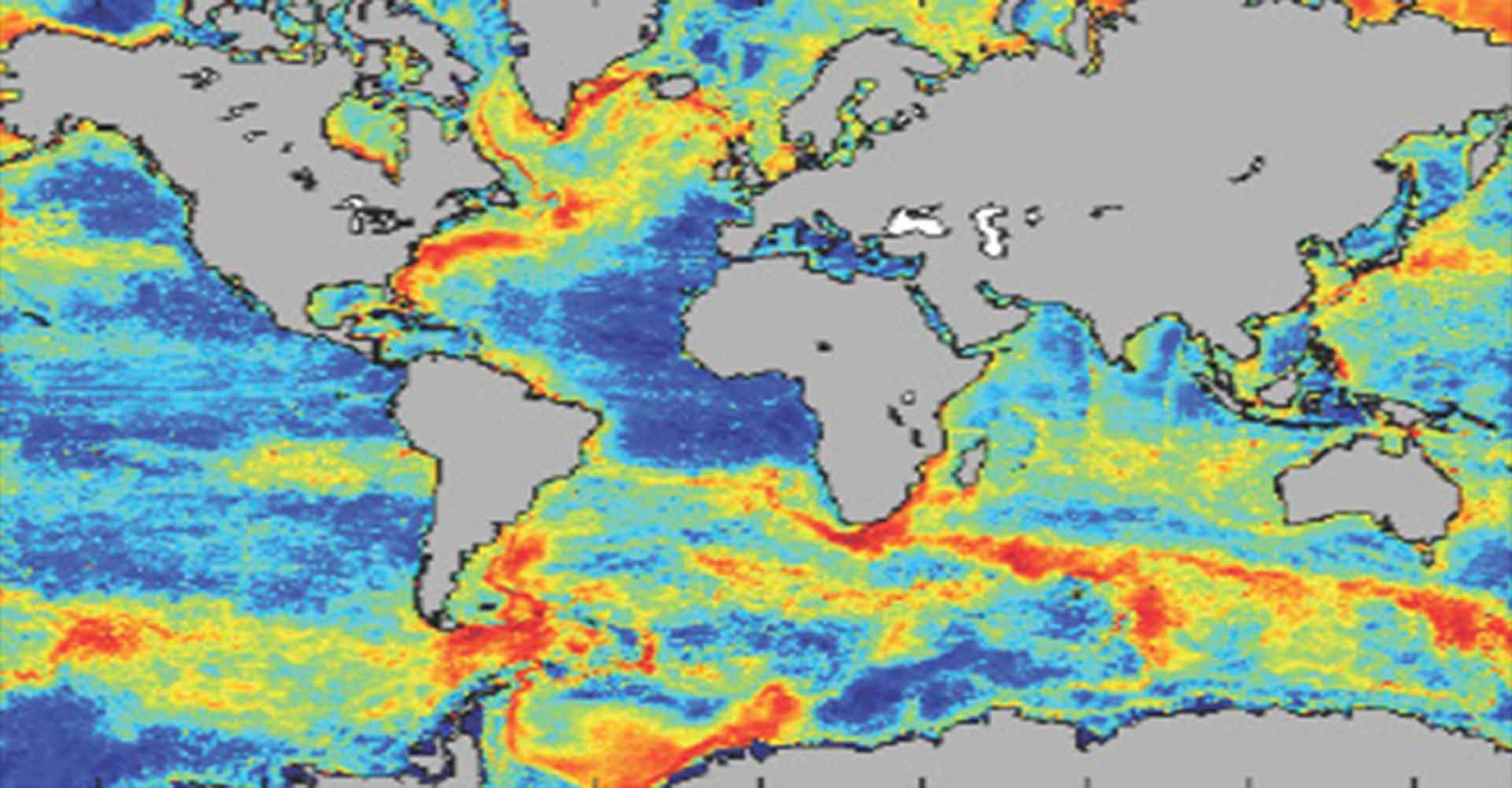
Dynamics and energy budgets of oceanic general circulation and mesoscale eddies
Learn More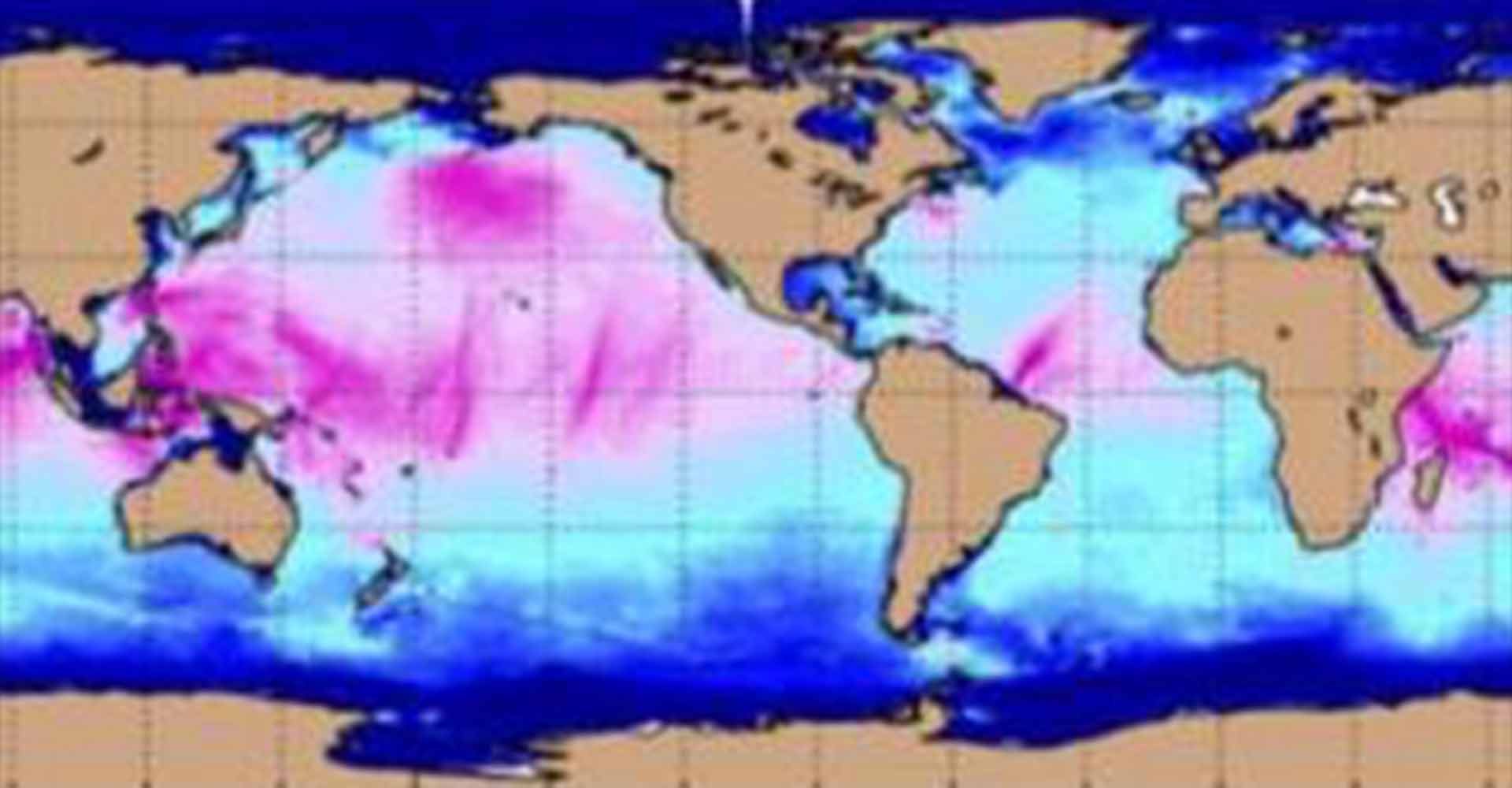
Global modeling of internal tides and the internal gravity wave continuum
Learn More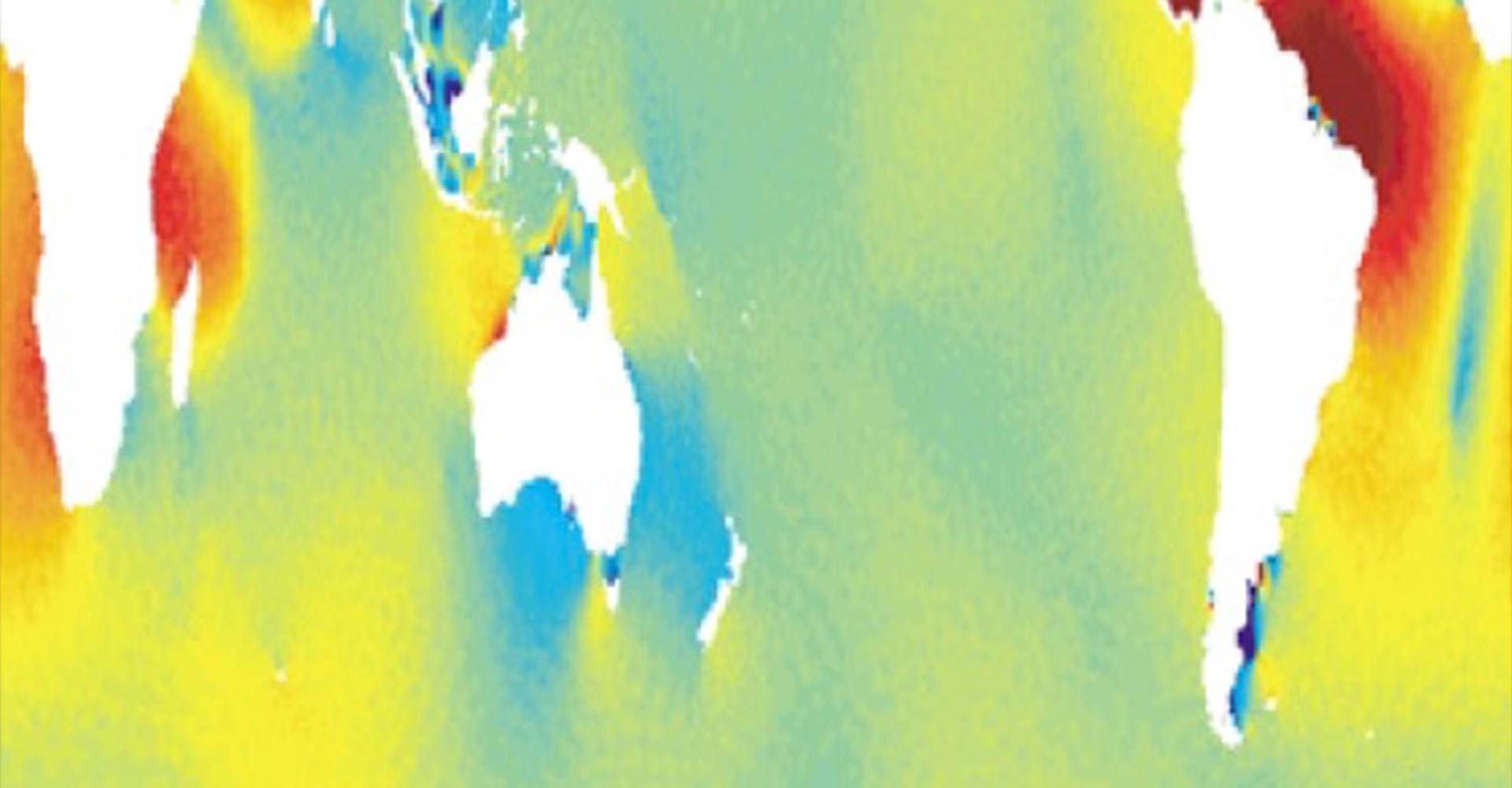
Global modeling of past and present barotropic tides
Learn More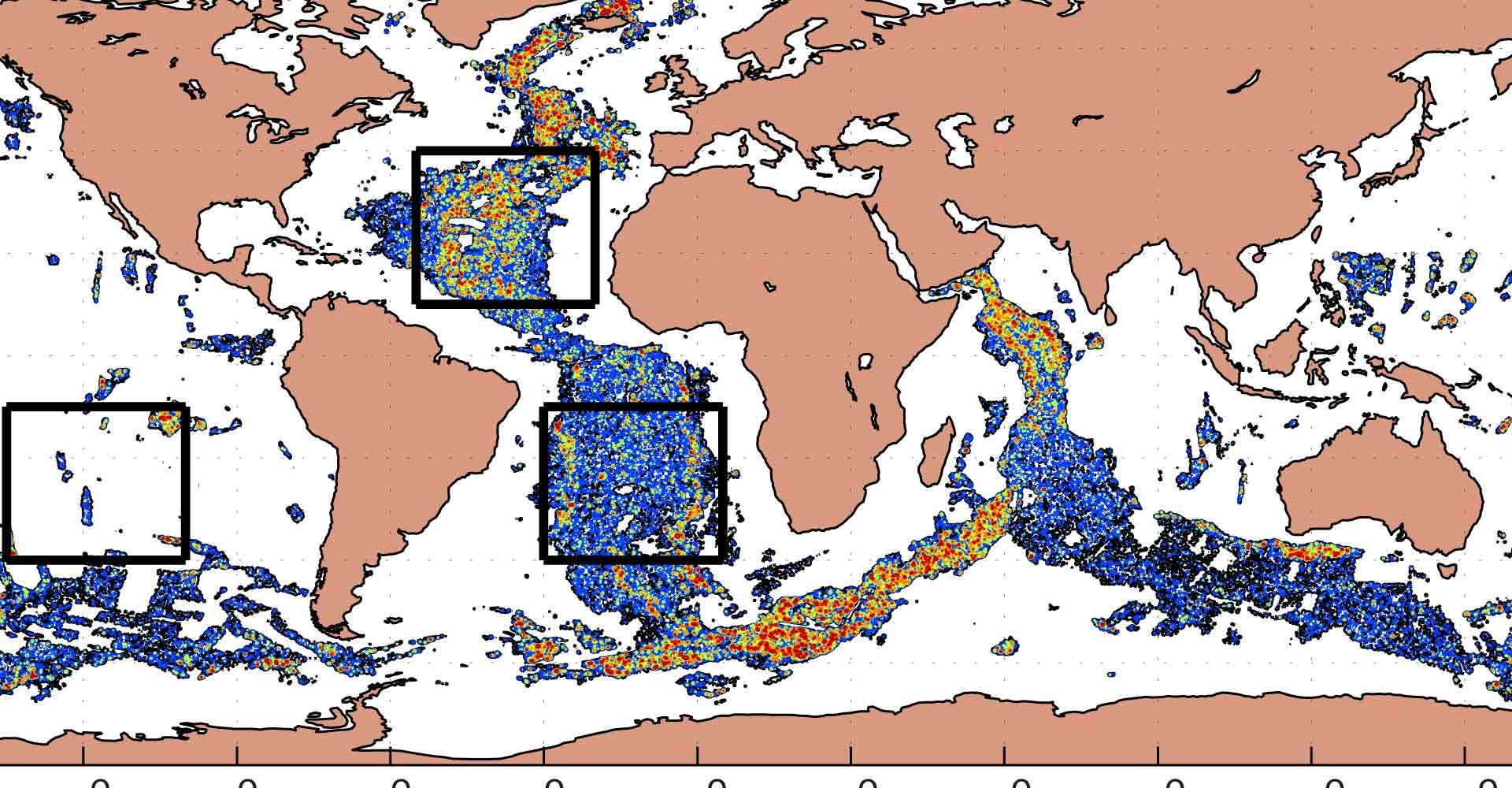
Interdisciplinary Earth Science Projects
Other ProjectsCollaborating Institutions


...and many others.
Opportunities
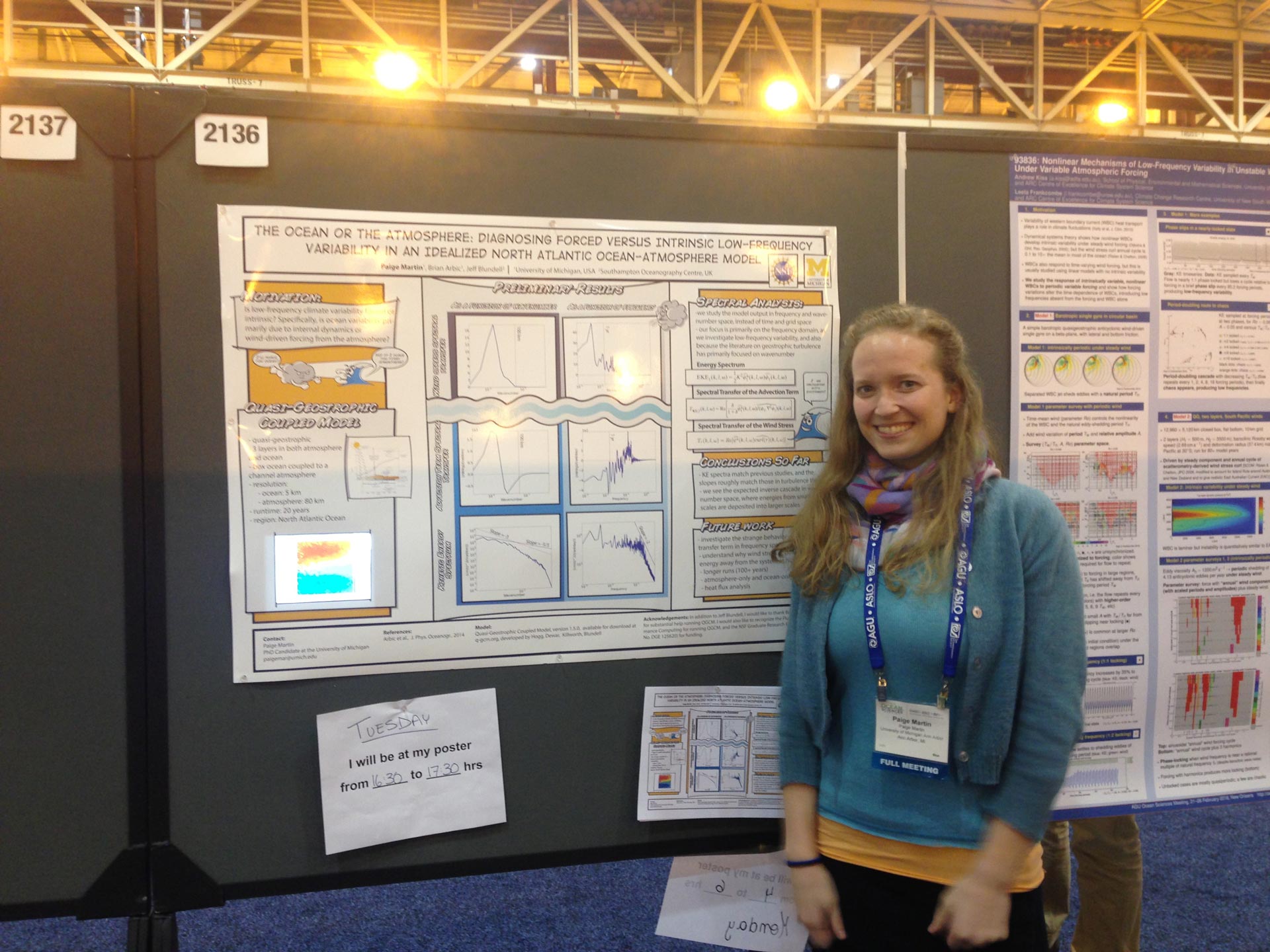
Paige Martin giving her poster at Ocean Sciences meeting
Students interested in joining our group should have strong skills in mathematics, physics, and computer programming. Postdocs interested in joining our group should have training in physical oceanography or related fields such as atmospheric science, physics, mathematics, fluid dynamics, or computer science.